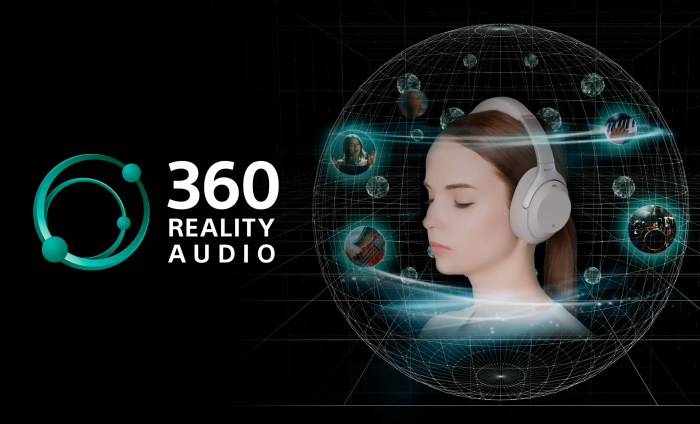
As 360 Reality Audio music takes center stage, this opening passage beckons readers into a world crafted with good knowledge, ensuring a reading experience that is both absorbing and distinctly original.
This innovative audio technology offers a game-changing approach in the music industry, allowing listeners to experience music with an immersive quality that traditional formats cannot match. By utilizing advanced spatial audio techniques, 360 Reality Audio creates a sound landscape that surrounds the listener, enhancing the overall enjoyment and perception of music.
Introduction to 360 Reality Audio Music
Reality Audio is an innovative audio technology that provides an immersive listening experience, placing listeners at the center of the soundstage. This format significantly impacts the music industry by allowing artists and producers to create soundscapes that feel more lifelike and engaging than traditional stereo formats. Unlike conventional audio, which typically involves a two-dimensional sound field, 360 Reality Audio utilizes spatial sound technology to envelop listeners in a three-dimensional auditory experience, making it feel as if they are in the same room as the performers.The technology behind 360 Reality Audio includes object-based audio, which enables individual sounds to be placed in a three-dimensional space rather than being confined to specific channels.
This approach not only enhances the clarity and depth of audio but also allows for the creation of complex sound environments that can adapt to the listener’s position. The benefits of this technology include greater emotional impact, increased listener engagement, and a more personalized music experience, setting a new standard for how we consume music.
Features of 360 Reality Audio Music
The key features of 360 Reality Audio technology that make it stand out include:
- Spatial Audio: This feature creates a three-dimensional sound field, allowing listeners to perceive sounds coming from different directions, simulating a live performance environment.
- Object-Based Audio: Artists can place individual sound elements in a three-dimensional space, providing a more immersive musical experience.
- Personalized Listening: The technology adapts sound based on the listener’s environment and position, enhancing the overall enjoyment.
The immersive experience offered by 360 Reality Audio not only enhances music perception but also transforms how listeners interact with audio content. By utilizing spatial audio techniques, listeners can feel the music surrounding them, leading to a deeper emotional connection and enjoyment. This shift in perception allows for a richer understanding of the artist’s intention and the intricacies of the music.
Implementation in Telecommunications
Telecommunications companies are increasingly integrating 360 Reality Audio into their services to offer enhanced audio experiences. Major streaming platforms and applications, such as Tidal and Amazon Music HD, now support 360 Reality Audio streaming, allowing users to access this innovative technology easily. These platforms are leading the charge in providing high-quality audio content that utilizes the benefits of spatial sound.However, challenges remain for telecommunications providers in delivering high-quality 360 audio content.
Factors such as bandwidth limitations, latency issues, and the need for advanced audio equipment can hinder the widespread adoption of this technology. Providers must work to ensure consistent streaming quality and invest in infrastructure improvements to support this new audio format.
Impact on Music and Radio
Reality Audio is influencing music production and recording techniques, pushing sound engineers to explore new methods of creating audio content. Artists are now able to experiment with spatial audio to craft unique listening experiences that captivate audiences in ways that were previously impossible. This innovation encourages creativity and pushes the boundaries of what music can be.Radio stations are also adapting their broadcasts to include 360 Reality Audio, enhancing the listening experience for their audiences.
By incorporating this technology, stations can offer a more engaging format, drawing in listeners who seek a superior audio experience. The potential for artists to create distinctive soundscapes using 360 Reality Audio opens new avenues for storytelling and artistic expression in the music industry.
Role in Movies and Television
Reality Audio can significantly enhance the viewing experience of films and television shows by providing a more immersive auditory environment. This technology allows viewers to feel as though they are part of the scene, with sounds enveloping them from all directions. Notable films and shows that have utilized 360 Reality Audio include blockbuster releases and popular series, adding depth and realism to the viewing experience.Comparing traditional sound design to that of 360 Reality Audio reveals a stark contrast.
Traditional formats often rely on stereo sound, which can limit the perception of space and depth. In contrast, 360 Reality Audio offers a multidimensional sound experience, resulting in a more engaging and memorable encounter with visual media.
Future Trends and Developments
Emerging trends related to 360 Reality Audio in the music industry include increased collaboration between artists and sound engineers focused on spatial audio techniques. As more creators adopt this format, we can expect to see innovative projects and live performances that leverage its capabilities.Potential future applications of 360 Reality Audio technology in live performances include immersive concerts and events where audiences can experience music from various perspectives, creating a more interactive environment.
Advancements in audio equipment, such as headphones and speakers designed specifically for this format, are likely to support wider adoption and enhance user experience in the near future.
Libraries and Literature on 360 Reality Audio
Numerous resources, including books, articles, and studies, focus on 360 Reality Audio, providing valuable insights into its development and applications. Libraries can serve as essential knowledge hubs for learning about this technology, offering access to literature that explores its impact on the music and entertainment industries.Archiving 360 Reality Audio content is crucial for future generations, as it preserves the evolution of audio technology and its cultural significance.
By documenting these innovations, libraries can contribute to a comprehensive understanding of the impact of spatial audio on our auditory experiences.
Summary
In conclusion, 360 Reality Audio music is not just a technological advancement but a transformative experience that reshapes how we engage with sound. As artists and creators embrace these capabilities, the future of music and audio consumption looks promising, inviting listeners to explore new dimensions of auditory artistry.
Top FAQs
What is 360 Reality Audio music?
It is an immersive audio experience that uses spatial audio technology to create a multidimensional sound environment around the listener.
How does it differ from regular stereo sound?
Unlike stereo sound, which is limited to two channels, 360 Reality Audio music can position sounds in a three-dimensional space, providing a more engaging listening experience.
What devices are needed to experience 360 Reality Audio?
While specific headphones or speakers designed for spatial audio can enhance the experience, many common devices can also support 360 Reality Audio.
Is 360 Reality Audio available on streaming platforms?
Yes, several major streaming services offer 360 Reality Audio content, allowing users to access immersive music directly from their devices.
Can artists create music specifically for 360 Reality Audio?
Absolutely! Artists can leverage this technology to craft unique soundscapes that maximize the immersive qualities of 360 Reality Audio.


![Jual [16PCS] POSTER RETRO VINTAGE STYLE UKURAN A4 A5 A6 | Shopee Indonesia](https://indorio.info/wp-content/uploads/2025/07/6a3da454a63648f25dc8ac6579357af8-300x300.jpg)

