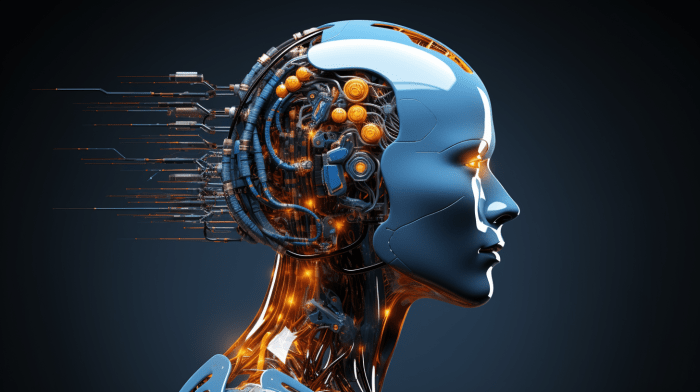
Kicking off with AI music generators 2025, the landscape of music creation is evolving faster than ever. These innovative tools leverage advanced algorithms and machine learning to compose, produce, and even refine music with minimal human intervention.
As we look toward 2025, the integration of AI into music promises to reshape how we create and experience sound, offering unique opportunities and challenges that echo throughout the industry.
Overview of AI Music Generators in 2025
As we progress into 2025, AI music generators are transforming the landscape of music creation and consumption. These sophisticated tools harness artificial intelligence to compose and produce music with unprecedented efficiency and creativity. This evolution has been fueled by advancements in machine learning algorithms, natural language processing, and neural networks, allowing AI to understand and replicate complex musical structures.Technological progress has played a significant role in the growth of AI music generators.
A major leap has been the development of deep learning models that can analyze vast datasets of existing music to learn patterns, styles, and genres. This allows AI to craft original compositions that can blend elements from various musical traditions seamlessly. Some of the leading AI music generators anticipated to dominate in 2025 include OpenAI’s MuseNet, Jukedeck, and AIVA, each offering unique features and capabilities that appeal to both amateur and professional musicians alike.
Impact of AI Music Generators on the Music Industry
The advent of AI-generated music is reshaping traditional music production and distribution channels. AI tools allow for faster composition and lower production costs, which can democratize access to music creation. This shift is leading to an increased volume of music being produced, but it also raises questions about quality and originality.One notable influence is the way AI music generators affect artist creativity.
Musicians can leverage these tools to explore new sounds and styles that they may not have considered otherwise. By automating certain aspects of composition, artists can focus more on the emotional and narrative elements of their work. Financially, the implications for musicians and producers are significant; while AI music can reduce costs, it also challenges copyright norms and may create competition for human artists in certain genres.
Ethical Considerations in AI Music Generation
The rise of AI music generation brings forth several ethical dilemmas, particularly concerning copyright and ownership. Questions arise regarding who owns the rights to music created by AI – is it the programmer, the user of the software, or the AI itself? This gray area complicates the existing frameworks of intellectual property laws.Privacy concerns are also prominent, especially regarding the data used to train AI music models.
The datasets often include a vast array of existing works, raising potential issues of consent and data misuse. Furthermore, the societal impact of replacing human musicians with AI technology cannot be overlooked, as it poses challenges to the livelihood of many in the creative industry.
AI Music Generators and Telecommunications
Telecommunications sectors are adapting to the rise of AI-generated music by integrating these technologies into their services. Collaborations between tech companies and music platforms are becoming more common, enhancing user experiences through innovative applications of AI.By incorporating AI music generators into telecommunications services, companies can offer personalized streaming experiences that curate content based on individual listening preferences. This not only improves customer satisfaction but also opens new avenues for monetization and engagement.
The Role of AI Music Generators in Literature and Libraries
AI music has the potential to enrich the storytelling aspect of literature. By composing soundtracks that align with themes and narratives, AI-generated music can enhance the reader’s experience, making stories more immersive.Libraries are beginning to explore the incorporation of AI-generated music into their collections, providing patrons with unique auditory experiences. This integration can serve as a tool for enhancing literary experiences, offering soundscapes that accompany readings or events.
AI Music Generators in Music and Radio
The trends in radio broadcasting are increasingly influenced by AI-generated music. Radio stations can utilize these tools to create curated playlists that resonate with their audience, offering a level of personalization that was previously challenging to achieve.Stations that feature AI-generated music prominently are starting to emerge, showcasing the versatility and innovative capabilities of these tools. This shift is changing the way radio programming is developed and consumed, appealing to a new generation of listeners.
The Influence of AI Music Generators on Movies and Television
AI-generated scores are finding their way into film and television, significantly affecting how soundtracks are produced. The integration of AI music can enhance the viewing experience, providing tailored compositions that adapt dynamically to on-screen action.Collaborations between film studios and AI music developers are becoming more frequent, as filmmakers seek to innovate and streamline their production processes. As AI technology continues to evolve, we can expect to see even more creative partnerships that push the boundaries of traditional soundtrack composition.
Closure
In summary, the advent of AI music generators in 2025 marks a significant turning point for artists, producers, and listeners alike. As technology continues to advance, the fusion of human creativity and artificial intelligence will redefine musical boundaries, paving the way for a new era in sound.
General Inquiries
What are AI music generators?
AI music generators are software tools that use artificial intelligence to create original music compositions.
How will AI music generators impact artists?
They can enhance creativity by providing new ideas and compositions, but may also challenge traditional roles in music production.
Are AI-generated music tracks copyrighted?
The copyright status of AI-generated music is still a legal gray area, often depending on the jurisdiction and specific use cases.
Can AI music generators create music for movies?
Yes, they can produce scores and soundtracks tailored to film, enhancing the viewing experience through dynamic audio.
Are there ethical concerns with AI music generation?
Yes, concerns include copyright issues, the impact on human musicians, and the potential misuse of data for training AI models.


![Jual [16PCS] POSTER RETRO VINTAGE STYLE UKURAN A4 A5 A6 | Shopee Indonesia](https://indorio.info/wp-content/uploads/2025/07/6a3da454a63648f25dc8ac6579357af8-300x300.jpg)

