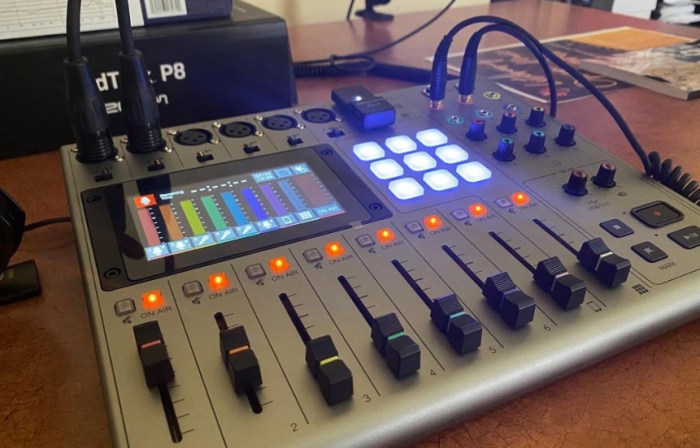
Literary criticism podcasts have emerged as a vibrant platform where enthusiasts delve into the nuances of literature, offering fresh insights and unique interpretations. This captivating medium allows listeners to engage with texts in a dynamic way, transforming traditional literary analysis into accessible discussions that resonate with a broader audience.
With the rise of podcasts, the landscape of literary criticism has evolved, providing an engaging alternative to conventional reading. These podcasts not only dissect themes and narratives but also bridge the gap between literature and contemporary culture, inviting a diverse range of voices to the conversation.
Introduction to Literary Criticism Podcasts
Literary criticism is a vital aspect of contemporary literature, allowing readers and scholars to delve deeper into texts, explore themes, and understand the cultural context in which these works were created. As literature evolves, so too does the discourse surrounding it, making literary criticism essential for both appreciation and comprehension of literary works. In recent years, the rise of podcasts has transformed how we engage with these discussions, providing a dynamic platform for critics, authors, and enthusiasts to share their insights and analyses.Podcasts have surged in popularity as a medium for literary discourse, offering listeners convenient access to a variety of perspectives on literature.
Unlike traditional forms of literary criticism, podcasts allow for a more conversational and accessible approach, breaking down complex ideas into digestible segments. Engaging with literature through podcasts provides several benefits, including the ability to listen on-the-go, the opportunity to hear diverse viewpoints, and the chance to engage with content that may not be covered in academic settings.
Types of Literary Criticism Podcasts
Literary criticism podcasts come in various genres, each offering a unique lens through which to explore literature. Recognizing these genres can enhance the listening experience and deepen understanding of literary critique.
- Thematic Podcasts: These podcasts focus on specific themes within literature, such as identity, race, or feminism. An example is “The Literary Life,” which explores different literary themes through engaging conversations.
- Author-Specific Podcasts: Dedicated to the works and lives of specific authors, these podcasts dive into their literary contributions. A popular choice is “The Philip K. Dick Podcast,” which analyzes the works of the influential science fiction writer.
- Genre-Focused Podcasts: These examine specific literary genres, offering insights into the conventions and innovations within those genres. “SFF Yeah!” is a notable podcast that discusses science fiction and fantasy literature extensively.
Each type of podcast offers listeners unique perspectives and encourages them to engage with literature in different ways, fostering a broader appreciation for the art form.
Analyzing Content in Literary Criticism Podcasts
Evaluating the quality of discussions and critiques presented in literary criticism podcasts requires a set of criteria. Listeners should consider the expertise of the hosts, the depth of analysis, and the clarity of arguments made throughout the episodes. To engage critically with podcast content, listeners can employ techniques such as taking notes, discussing episodes with peers, and seeking out additional readings suggested by the hosts.
This active engagement enhances comprehension and retention of the material.The expertise of the host plays a significant role in influencing the content and quality of the podcast. A knowledgeable host can provide valuable insights, guide discussions effectively, and ensure that listeners receive a well-rounded understanding of the literary works being discussed.
The Role of Telecommunications in Literary Criticism Podcasts
Telecommunications have significantly transformed access to literary criticism, allowing audiences to connect with content creators worldwide. The advancements in technology have made it easier for anyone to produce and distribute podcasts, democratizing literary discourse.Technological innovations, such as streaming services and social media platforms, have revolutionized how podcasts reach their audiences. These tools facilitate immediate access to episodes and enable listeners to engage with content creators directly.The implications of these advancements affect audience reach and engagement, as podcasts can now cater to niche interests and diverse demographics.
This accessibility fosters a broader conversation around literature and criticism, encouraging more voices to participate in the discourse.
The Intersection of Literature and Libraries in Podcasts
Literary criticism podcasts serve as a powerful tool for promoting library resources and services. Libraries can utilize these podcasts to highlight literary discussions, recommend books, and engage with their communities in innovative ways.Many libraries have begun incorporating podcasts into their programming, showcasing local authors, discussing literary themes, and sharing insights about their collections. For instance, the New York Public Library offers a podcast that features literary discussions and interviews with authors.Libraries also play a crucial role in curating content for literary criticism podcasts, helping to connect listeners with relevant resources and providing a platform for local literary voices.
Influence of Music and Radio on Literary Criticism Podcasts
Music and audio production techniques significantly impact the listening experience of literary criticism podcasts. The incorporation of sound design, background music, and thoughtful editing can enhance the overall atmosphere and engagement of the content.Successful crossovers between music, radio, and literary criticism can be observed in podcasts like “Song Exploder,” where creators analyze the lyrics and themes of popular songs, showcasing the artistic connections between music and literature.Podcasts that effectively blend these elements not only create a richer auditory experience but also provide deeper insights into the texts discussed.
The artistic synergy between music and literature enriches the discourse and captivates audiences.
Literary Criticism in Movies and Television
Literary criticism podcasts frequently analyze adaptations of literature in cinema and television, offering valuable insights into how literary sources are translated to the screen. Understanding the nuances of literary adaptations can enhance appreciation for both the original texts and their interpretations.Podcasts such as “Adaptation” explore these intersections, discussing how filmmakers interpret and represent literary works. They delve into the challenges and liberties taken in adapting stories for visual media, fostering a deeper understanding of the creative processes involved.By focusing on specific adaptations, these podcasts contribute to the broader discourse surrounding literature and its relationship with film and television, encouraging listeners to engage thoughtfully with both mediums.
Engaging with Audiences Through Podcasting
Literary criticism podcasts can foster audience interaction and community through various strategies. Engaging listeners by encouraging feedback, suggesting topics, and hosting discussions can create a collaborative environment.Social media platforms play a crucial role in promoting discussions surrounding podcast episodes. Hosts can utilize these platforms to share insights, pose questions, and interact with their audience, building a sense of community around the content.Incorporating listener feedback into future podcast content can enhance relevance and ensure that the discussions remain dynamic and engaging.
By valuing audience input, podcasts can foster a more inclusive and participatory approach to literary criticism.
Wrap-Up
In conclusion, literary criticism podcasts serve as a vital resource for both avid readers and casual listeners, enriching our understanding of literature while fostering community engagement. As the medium continues to grow, it promises to enhance our appreciation of the written word, making literary discourse more enjoyable and interactive for all.
Popular Questions
What are literary criticism podcasts?
Literary criticism podcasts are audio programs that explore and analyze literature, offering insights, critiques, and discussions on various texts and themes.
How can I find good literary criticism podcasts?
You can discover quality literary criticism podcasts by checking popular podcast platforms, looking for recommendations on literary blogs, or exploring social media discussions.
Are literary criticism podcasts only about classic literature?
No, they cover a wide range of genres, including contemporary works, genre-specific analyses, and discussions on adaptations in film and television.
Can I contribute to a literary criticism podcast?
Many podcasts welcome listener feedback, suggestions, and even guest contributions, so it’s worth reaching out to your favorite shows.
How often are new episodes of literary criticism podcasts released?
Release schedules vary by podcast; some may publish weekly, while others may have a monthly or seasonal format.


![Jual [16PCS] POSTER RETRO VINTAGE STYLE UKURAN A4 A5 A6 | Shopee Indonesia](https://indorio.info/wp-content/uploads/2025/07/6a3da454a63648f25dc8ac6579357af8-300x300.jpg)

